
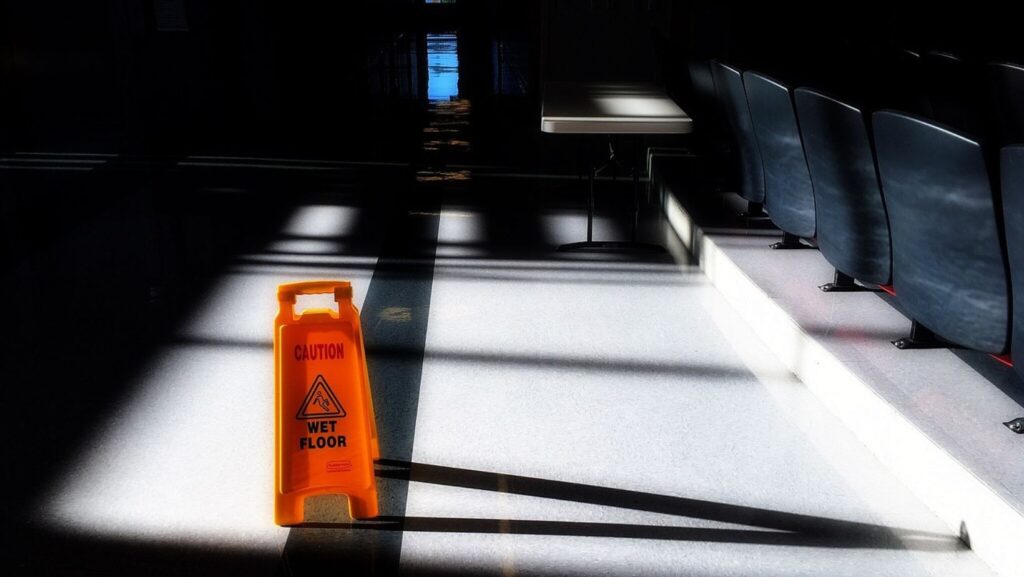
Keeping people safe on a property while also respecting employee rights can feel like walking a tightrope. Property owners and managers have a legal duty to maintain safe conditions, but they also need to protect workers from unfair treatment, over policing, or excessive monitoring.
Finding the right balance matters because premises liability cases often turn on what a property owner knew, what they should have known, and how reasonably they acted.
Below is a closer look at the challenges that owners, managers, and workers face every day.
Why Safety Protocols Can Accidentally Clash With Employee Rights
Safety rules are obviously essential, but when they are rolled out without considering worker autonomy, culture, or privacy, they can create friction. That tension usually shows up in three places:
- Frequent surveillance tools that make employees feel like they are constantly watched
- Safety rules applied unevenly, causing claims of favoritism or discrimination
- Hazard reporting systems that fail because workers fear retaliation
When these problems appear, a business becomes less safe. Employees who do not trust the system often withhold important information about hazards, near misses, or unsafe behavior. This undermines the entire purpose of safety protocols.
How Property Owners Can Build a Better Balance
One of the strongest signals from safety research in 2024 and 2025 is that a balanced system works better than a top down one. For example, in a study by arXiv, experts examined how structured digital tools including motion capture tech in construction can support onsite workers without replacing human judgment. The takeaway was simple: workers participate more when they feel respected, included, and informed.
A balanced approach usually includes:
Clear but reasonable expectations
Employees need to know what safety rules exist, why they exist, and how they apply to everyone. Overly complicated rules can backfire because workers may ignore them or interpret them inconsistently.
Consistent enforcement
Nothing damages trust like rules that apply only when it is convenient. When policies are enforced fairly, employees tend to report hazards earlier because they believe management will treat issues consistently.
Worker centered reporting
Anonymous reporting channels, digital submission tools, and a strict no retaliation policy all help create an environment where workers speak up. That makes properties safer for both employees and visitors.
Some employees also want to know how their rights fit into liability issues. Many injury cases begin with someone being hurt on someone else’s property and understanding how those rights apply in workplaces is just as important. Workers deserve to know how to identify hazards, how liability works, and what steps to take if they are injured.
How Emerging Tech Affects Both Safety and Rights
With new tools like AI driven monitoring, smart sensors, and PPE detection systems, safety tech is moving quickly. According to more research by arXiv, these tools aim to reduce injuries through automation. That sounds ideal, but it raises questions about data storage, privacy, and the extent to which surveillance is reasonable.
Responsible companies try to:
Limit data collection
Only gather the information needed to protect people, not everything the device can possibly record.
Share data policies openly
Make sure employees understand what is being monitored, who controls the data, and how long it is kept.
Use tech for safety, not discipline
Tools designed to prevent hazards should not become a quiet way to punish minor mistakes.
This kind of transparency lowers tensions and helps workers see tech as a safety tool rather than a threat.
Helping Employees Understand Their Own Liability Concerns
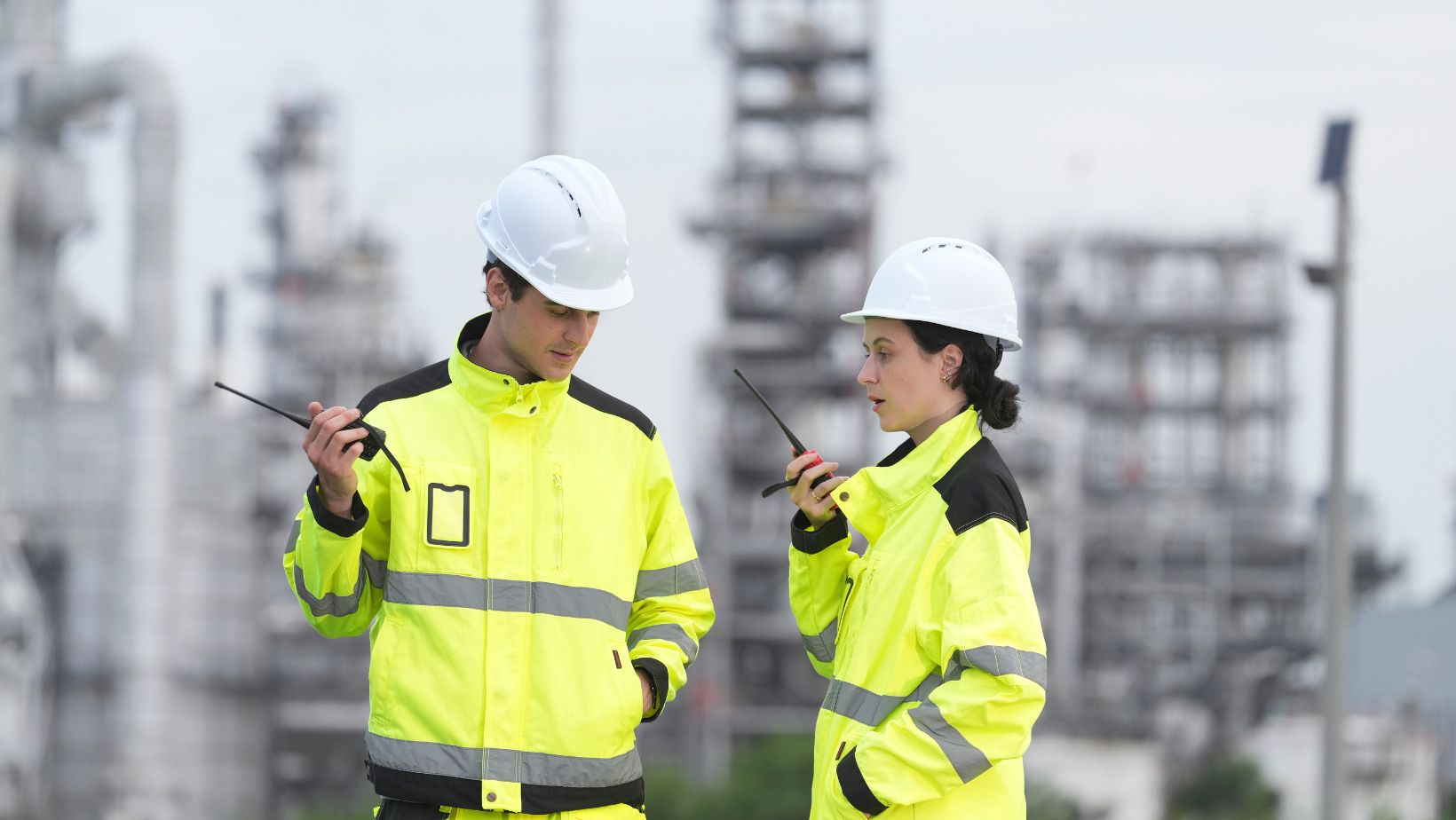
Even though premises liability usually focuses on the property owner, employees are part of the equation. Workers should be trained to recognize hazards, warn visitors, avoid creating dangerous conditions, and document anything that could impact a future claim. When employees understand how their actions fit into the liability chain, they are more confident and less anxious about workplace rules.
One helpful habit is keeping simple personal notes about hazards they reported or safety steps they took. This is not about building a legal case. It is about clarity. If a visitor or coworker gets injured, facts matter, and clear notes prevent confusion.
Creating a Culture Where Safety and Rights Work Together
A property is safest when everyone looks out for each other. That only works when employees feel respected. It might seem basic, but culture drives safety far more than written rules do. A culture built on communication, fairness, and shared responsibility tends to produce stronger compliance and fewer accidents.
When owners emphasize collaboration instead of control, teams usually respond with better hazard recognition, faster reporting, and more consistent safety behavior. Over time, this reduces liability risks because hazards are resolved long before they become injuries.
Focusing on business culture also improves employee job satisfaction and reduces churn. Along with other effective strategies, businesses stand to benefit from taking this seriously.
A Quick Note for Anyone Researching Liability Issues
If you are digging deeper into premises liability topics or writing policies for your property, it helps to stay up to date with recent research and legal trends. Independent studies, industry reviews, and safety market forecasts can spark useful ideas for building safer, fairer systems. And if you want to keep learning, plenty of blogs and safety resources offer ongoing updates without requiring a heavy legal background.
More Stories
When Cancel-for-Any-Reason Travel Insurance Is Worth the Extra Cost
Image-to-Image vs Text-to-Image for AI Anime Art: When to Use Each in PixAI
Why Nicotine and Caffeine Timing Can Matter for Your Daily Energy Levels