
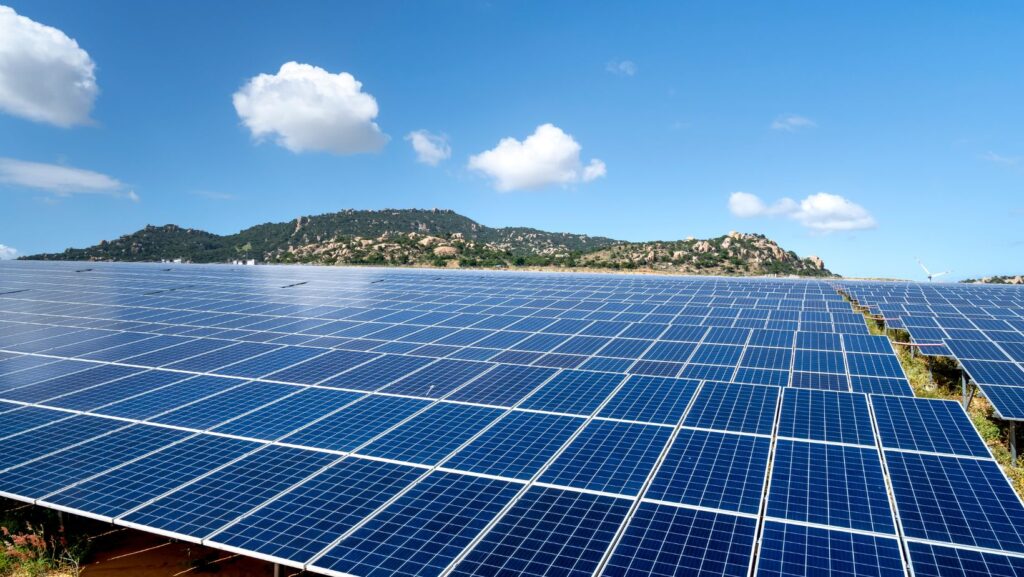
Solar panels work great for 25-30 years before their output substantially declines. The numbers paint an interesting picture – by 2050, we’ll face about 78 million metric tons of solar panel waste worldwide.
This creates a unique challenge that’s also a promising chance for innovation. The market for used panels has surged by 282% since 2020, which proves these retired panels still hold real value. Many of our customers ask about their options when their panels get old – they wonder if they should throw them away, sell solar panels, or give them a second life.
Here’s something encouraging – recycling can recover up to 95% of a panel’s materials. Glass makes up most of the panel – about 75% – and manufacturers can use it to create new glass products. Panels that still perform at 85% or better of their original output remain highly sellable.
This piece walks you through all the ways to get the most value from your old solar equipment. We’ll cover everything from sales to recycling and DIY projects, with practical tips that help your budget and the environment.
When and Why Solar Panels Are Retired
Solar panels don’t just stop working one day. They lose their efficiency gradually over time.
This knowledge helps you make better decisions about retiring, repurposing, or selling solar panels.
Typical lifespan and performance decline
Solar technology has evolved a lot. Today’s panels last beyond 25 years, and many keep producing power for more than 30 years. The panels naturally become less efficient as they age.
These panels typically lose 0.5% to 0.8% of their efficiency each year. Let’s break this down – a 20-year-old panel still works at about 90% of its original capacity. Panels function at 80-85% of their original output after serving for 25-30 years.
Panel quality makes a difference. Top manufacturers create panels that lose just 0.3% efficiency yearly. These high-end panels can still deliver 93% of their original output after 25 years.
Nature affects panel degradation in four main ways:
- Thermal cycling (temperature changes impact soldered connections)
- Damp heat (high humidity at high temperatures)
- Humidity freeze (sudden freezing in high humidity)
- UV exposure (causes discoloration and backsheet degradation)
Common Reasons For Early Removal
Solar technology lasts long, yet many systems get replaced early. Most homeowners take down their panels within 10-12 years – nowhere near their 30-year potential lifespan.

Weather damage leads the causes for early removal. Hailstorms, hurricanes, and extreme temperatures can harm panels and reduce their efficiency. Manufacturing defects or poor installation can also force early replacements.
There’s another reason – technology keeps getting better. Each year brings more efficient panels with better features. Upgrading to newer models often pays off even with working older panels.
Growing energy needs push for replacements too. Families expand, people buy electric vehicles, and old systems can’t keep up with these new power demands.
Signs It’s Time To Replace Your Panels
Your old panels might need replacement if you notice certain signs.
Lower energy production is the clearest indicator. Rising electric bills with unchanged energy use might mean your panel’s efficiency has dropped.
A visual check can spot warning signs:
- Cracks, chips, or scratches on the surface
- Yellowing or browning marks
- Corroded frames or connections
- Loose or faulty wiring
Microfractures are tiny cell cracks you can’t see, but they cut down panel efficiency. Research shows these small flaws reduce power output each year.
Your system’s inverter often signals bigger issues. Inverters fail before panels do, causing 80% of solar plant downtime.
Working panels with reduced output might still have value. You could sell them instead of throwing them away. Many people want used panels for off-grid setups or smaller projects where top efficiency isn’t crucial.
Creative Ways to Repurpose Old Solar Panels
Your old solar panels can be valuable even when they no longer power your home well. These panels still generate electricity at lower levels, making them perfect for smaller projects that just need basic power. Let me show you some creative ways to give these resources a second life.
Off-Grid Lighting And Irrigation Systems
Garden lighting is a great way to use aging solar panels. Panels working at less than 80% capacity can still power LED path lights, decorative string lights, or security fixtures around your property. Their reduced output works well for these simple needs.
Old panels work great in remote locations, too. You can use them to power basic lighting and small appliances in cabins, outbuildings, or sheds that aren’t connected to the grid. A clever idea is to take your shed off-grid with just a panel or two – it’s perfect to power battery-operated tools and work lights.
Solar-powered irrigation gives gardeners a smart solution. You can create automated watering systems by connecting old panels to small water pumps without raising your utility bills.
This works especially when you have limited access to power outlets. Small farmers in countries like Gambia use these repurposed modules for water pumping systems, which helps transform rural regions.
You can always sell solar panels if you find they’re too worn out to reuse.
Diy Charging Stations And Furniture
Old panels that can’t handle your home’s power needs make great portable power stations. You can build a backup power source for phones, tablets, or camping equipment by combining an old panel with a charge controller and a small battery. These setups are perfect for weekend trips away from power sources.
Creative DIYers turn solar panels into eye-catching furniture. The panels’ sturdy glass and aluminum construction make them adaptable.
Here are three popular ways to do this:
- Tables: Make coffee tables or desks by adding hairpin legs or using industrial wire shelving as a base
- Outdoor furniture: Create weather-resistant counters or surfaces for patios
- Shading structures: Use panels as shade sails or extra roofing for outdoor areas
Vincent Latham Sr.’s organization, Working for the Son Solar, found that even panels with cracked glass could be sealed and reused. His team has saved over 100 tons of solar materials from landfills through creative reuse.
Educational Kits And School Projects
Schools offer another great use for retired solar panels. The Philadelphia Solar Energy Association works together with Drexel University to expand solar education using repurposed panels. Their program gives new life to 20-year-old panels by turning them into hands-on teaching tools.
Students learn electricity basics and experience solar power through these educational solar kits. They find out how photovoltaic cells turn sunlight into electricity and explore ground applications like water pumping.
Community workshops often use old panels to show renewable energy concepts and spark new ideas. These educational programs serve two purposes in regions with unreliable power grids – they teach valuable skills and provide practical power solutions.
Even panels that don’t work at all can help education. Students can take them apart to see how they’re made – it’s perfect for STEM projects about renewable energy.
Your retired solar equipment can help communities in need when you find new uses for it. This extends its life and reduces waste. As solar recycling technology gets better, panels that can’t be reused have better material recovery options.
How to Sell or Donate Used Solar Panels
Looking to get rid of your old solar panels? You have several ways to recover value instead of sending them to a landfill. Your used panels could bring in good money or help communities through donations.
Where To Sell Solar Panels Online
EnergyBin leads the market as the go-to marketplace for buying and selling used solar equipment. Sellers often make back their annual membership fee with just one sale. The platform lets sellers connect directly with buyers who want second-hand solar hardware.
You can sell solar panels in three main ways:
- Direct selling through classified ads (best if you have fewer than 100 panels)
- Using online marketplaces like eBay or Amazon (reaches more buyers but gives less control over pricing)
- Working with specialized buyers like WeBuySolar or Solar Recycling (perfect for commercial quantities)
Small residential quantities (under 100 panels) work best with direct selling. Larger commercial-scale projects benefit more from specialized services that handle everything from taking panels down to moving them.
WeBuySolar pays cash right away for “preloved” solar equipment, including panels, inverters, and batteries. They also give discounts on upgrades when you sell your current system.
Donation Programs And Nonprofit Use
Your donated panels can make a real difference. Good Sun, a charity backed by EnergyBin, saves working panels from landfills and gives them to communities without electricity. They’ve helped over 2,000 low-income families and saved more than 150,000 pounds of solar panels from landfills since 2017.
Twende Solar offers another great donation option. This 501(c)(3) organization brings solar power to struggling communities worldwide. One project brought power to about 1,200 students in Siem Reap, Cambodia.
Tax benefits often come with donations. Good Sun and Twende Solar are registered 501(c)(3) public charities, so your contributions are tax-deductible. The IRS Donation Fact Sheet shows how to claim these deductions.
EnergyBin runs a free referral service that connects donors with local partners. These partners take care of logistics, which makes donating simple.
Testing And Certifying Panels Before Resale
Good testing boosts safety and resale value significantly. Start by checking the panel’s label for its serial number, model number, and electrical data. This helps verify the panel’s authenticity and performance specs.
You’ll need these tools for on-site testing:
- Handheld multimeter
- Solar charge controller
- Watt meter
Test during a sunny day, around noo,n after cleaning the panels. Compare the readings for open circuit voltage (VOC), short circuit current (ISC), and operating current with manufacturer specs.
Physical checks matter too. Watch out for:
- Cracked glass (these need recycling, not resale)
- Damaged backsheets
- Burn marks
- Snail trails
- Hotspots
A full picture comes from certified testing companies like Intertek, TÜV Rheinland, or PVEL Field Testing. They run flash tests, degradation control tests, and wet leakage tests to verify safety and performance.
Include test documentation with your listing. Many trusted EnergyBin resellers add detailed inspection reports to their listings, which helps buyers feel confident.
Panels working at 80-85% of their original capacity still offer great value for many uses. Their lower cost makes them ideal for projects with smaller efficiency needs or tight budgets.
Conclusion
Solar panels don’t last forever, but their effects reach far beyond their main lifecycle. This piece explores several ways to use panels that have served their original purpose and still hold tremendous value.
The fate of solar panels after 25-30 years of faithful service holds great importance. Your retired solar equipment offers both economic opportunities and environmental benefits. The projections show 78 million metric tons of solar waste by 2050, and our handling of this material will determine renewable energy’s true sustainability.
Modern recycling facilities can recover up to 95% of materials from panels that are no longer usable. Glass, aluminum, silicon, and precious metals become valuable resources for new manufacturing through advanced recovery processes.
Your decisions shape the future. Selling, repurposing, donating, or recycling your retired panels helps fulfill solar’s promise as truly renewable energy. Individual panels may retire, but their materials and value continue to shine through smart decisions about their second life.
More Stories
Everyday Habits that Protect Your Peace (And Your Wallet)
How Much Can You Borrow for a Home Loan in QLD? A Borrower’s Checklist
Breaking Down Savings Account Types: Which One Fits Your Needs?