
Your calendar looks quiet when appointment slots sit open all week. You are not failing; your website may be missing local search power. Beautiful treatments alone rarely fill a med spa schedule in the U.S. Clients need a fast, clear site that earns trust and ranks well.
This means better pages, smarter keywords, stronger calls, and easy booking. You do not need endless ads or eighty-hour weeks to grow. You need a site that brings real med spa leads daily.
These eight website fixes can help you attract more local clients, book consultations faster, and keep your schedule full month after month.
How to Optimize a MedSpa Website for Improved Lead Generation
A high-performing website turns casual visitors into booked consults and paying clients. Strong design choices, clear messaging, and smart user paths all support better MedSpa Lead Generation.
Optimize Your Homepage Hero Section for Immediate Conversions
Your homepage hero section sets the tone in just a few seconds. It should tell visitors what you do, who you help, and where you serve. Keep the headline clear and direct. Say the treatment focus, the city, and the main benefit.
Also, place one strong call to action above the fold. A booking button and a consultation button can work. Add a short supporting line under the headline. Mention real treatments, real results, and real convenience. Visitors should know, almost instantly, that your med spa fits their needs.
Create Treatment Pages That Target High-Intent Search Terms
Each treatment needs its own page. One general services page is not enough anymore. People search for very specific things before they book. They look for treatment names, results, recovery time, price range, and location. So, your pages should reflect that real search behavior.
A page about one injectable treatment should stay about that treatment. A laser page should stay focused too. This helps search engines understand the page better. It also helps visitors find exact answers faster. This means fewer bounces and more qualified leads.
Describe what the treatment does, who it helps, and what happens next. Explain common concerns in plain words. Talk about sessions, downtime, and realistic outcomes. In addition, include local intent naturally throughout the page.
Improve Mobile Navigation for Faster Appointment Booking
Most med spa traffic now comes from phones, not desktops. That means your site must feel easy on a small screen. Visitors should reach services, pricing details, and booking pages without hunting around.
Thumb-friendly design matters more than many sites realize. Buttons should be large enough to tap easily. Spacing should feel open, not cramped. Also, text must stay readable without pinching or zooming.
If mobile users hit friction, they leave. They do not wait around. On the other hand, smooth mobile navigation can lift lead volume fast. That is because it reduces frustration during the most important moment.
Add Strong CTA Buttons Across Service and Location Pages
A website can look beautiful and still fail to convert. Usually, the missing piece is a weak call to action. Every important page needs a clear next step. This means strong buttons placed where intent naturally rises.
On treatment pages, add one near the top, one in the middle, and one near the end. On location pages, place booking and contact buttons early. Also, keep the wording direct. Use phrases that feel easy and active. “Book a Consultation” lands better than soft, vague language.
A location page can highlight directions, hours, and local booking. However, do not overload every section with competing buttons. Too many choices slow people down. One clean action per section feels smoother. Good CTA placement turns casual browsing into actual leads.
Build High-Converting Contact and Consultation Forms
A weak form can quietly kill strong traffic. If your forms ask too much, people may back out. Keep fields short and practical. Name, phone, email, preferred service, and one short message box are enough.
Also, place forms on high-intent pages, not only the contact page. Add them to treatment pages, location pages, and promotion pages. People should not need to search for a way to reach you. Easy access creates more form fills.
The form itself should feel trustworthy and low pressure. Add a short line that explains what happens next. Tell visitors when they can expect a reply. In addition, use reassuring language near the submit button. A clean consultation form often performs better than a long, overbuilt one.
Use Before-and-After Galleries on Key Service Pages
Before-and-after galleries do heavy lifting for med spa websites. They help visitors picture real results in a real way. This matters because aesthetic treatments feel personal and emotional. People want proof before they trust. So, place galleries on service pages where buying intent runs high.
Keep them organized by treatment type. A visitor looking at skin tightening should not need to scroll past filler cases. Also, make sure the photos look clean, consistent, and honest.
Context matters almost as much as the images themselves. Add short notes with each case when possible. Mention treatment areas, session count, or general timing. However, keep the wording simple and careful.
Use Live Chat and Text Buttons for Faster Lead Response
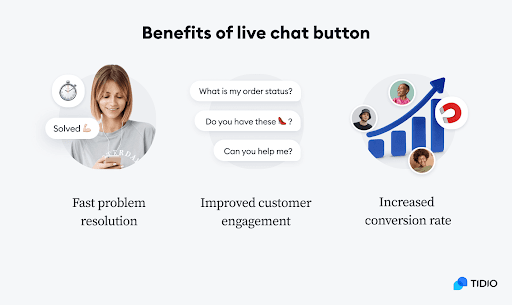
Some visitors do not want to call, and others do not want to fill out forms. They want a quick answer now, and that is fair. Live chat and text buttons meet that need well. They reduce friction during the decision stage.
For example, someone may ask about downtime, pricing, or availability. A fast answer can save the lead. Also, text feels natural for many people across the US. This convenience alone can boost inquiries from mobile traffic.
Put chat and text options where visitors often hesitate. Service pages, pricing pages, and booking pages are smart choices. Also, keep response expectations clear. If replies happen during business hours only, say that plainly.
Improve Page Speed, Core Web Vitals, and Technical SEO
A slow website costs leads, even when the design looks great. People will not wait for huge images or broken layouts. They tap back fast. So, compress image files, reduce heavy scripts, and keep page elements stable.
Your pages should load quickly and stay smooth while they appear. Also, fix pop-ups that jump across the screen. That kind of movement feels annoying. A fast site creates a better first impression. It also supports stronger rankings over time.
Technical SEO supports everything behind the scenes. Clean page titles, strong headings, and useful page descriptions still matter. Internal links matter too. They help visitors move deeper into the site. Also, make sure each page has one clear topic.
Broken links, duplicate pages, and thin content should be cleaned up often. In addition, location details must stay consistent across the website. Address, phone number, and service area should match everywhere.
Conclusion
Better leads start with a website that feels clear, fast, and trustworthy. You make booking easier when each page guides visitors toward one step. Strong service pages, simple forms, and mobile updates can lift results.
More Stories
Mergers Expose Code Gaps Solved By AI Code Security
When Cancel-for-Any-Reason Travel Insurance Is Worth the Extra Cost
Image-to-Image vs Text-to-Image for AI Anime Art: When to Use Each in PixAI