
Most leaders agree that recognition matters, but many programs still rely on quick shoutouts or once a year ceremonies. That kind of recognition might feel nice, but it rarely drives real performance.
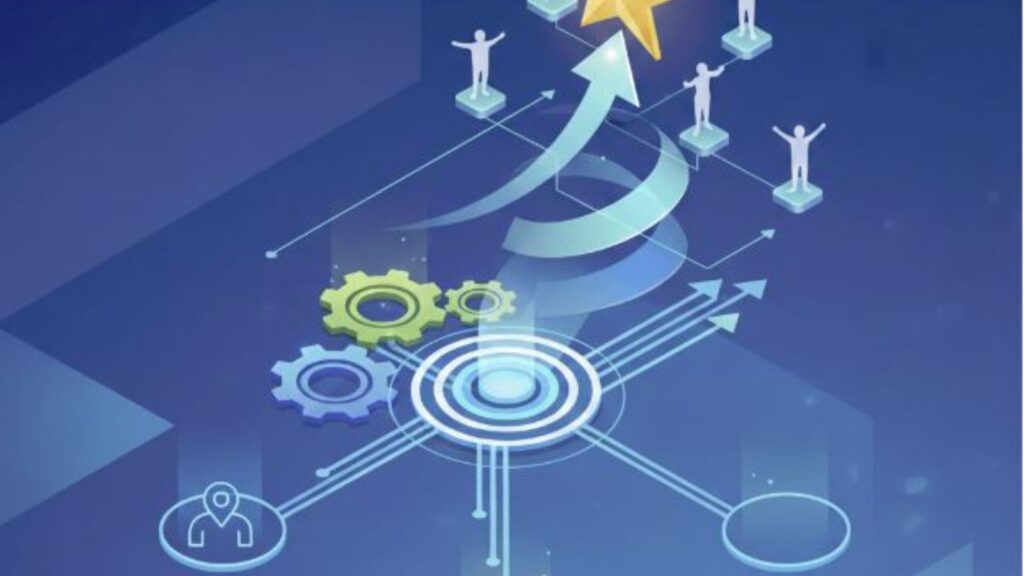
Structured recognition systems work differently. They use clear metrics, predictable reinforcement, and value based messaging to shape how people behave at work. Here’s why they work, and how they benefit performance-oriented organizations.
Why Recognition Needs a Real Strategy
In reporting by Forbes researchers highlighted how consistent, strategic recognition directly influences engagement, burnout levels, and cultural alignment. That kind of impact does not happen by accident. It happens when recognition becomes part of the operating system, not a seasonal add on.
Building a Framework That Reinforces Values
A strong recognition framework starts with clarity about what the organization is actually trying to reinforce. If recognition is vague, employees treat it like noise. If it is specific and tied to behaviors the company needs more of, it becomes a powerful signal. According to research by inFeedo, companies that define recognition pillars see stronger alignment between day to day actions and desired cultural outcomes.
Here are a few elements that consistently make recognition systems more effective:
- Recognize behaviors tied to values, not just outputs
- Use data to identify recognition gaps across teams
- Keep criteria transparent so rewards feel fair
When these principles guide the program, recognition starts to function like a behavioral amplifier. People shift toward what gets rewarded because the expectations are obvious, the system is predictable, and the reinforcement is visible across the organization.
Metrics That Actually Matter
A structured recognition system is only as good as the indicators it tracks. Some companies focus on volume, counting how many awards or shoutouts were given. That is a basic engagement indicator, but not a performance one.
Instead, the most successful organizations track things like behavior frequency, cross team participation, recognition equity, and correlations between recognition and performance KPIs. Those metrics reveal whether recognition is changing how people act rather than simply how often managers click a button.

This is also where milestone programs come in. Milestones are not just time based celebrations. When used thoughtfully, they become checkpoints that reinforce progress, commitment, and consistent performance.
For instance, a company might pair a milestone with a short reflection exercise or a public narrative that links the achievement to organizational values. In some cases, teams even highlight sales milestones as a moment to celebrate sales achievement awards, anchoring recognition to measurable impact while still maintaining a human touch. Tangible tokens still matter, but must be combined with other steps to cement recognition efforts.
Behavioral Economics and the Power of Predictability
One reason structured recognition works is because predictability reduces cognitive friction. People know what leads to recognition, so they repeat those actions. Behavioral economics also shows that small, frequent reinforcements outperform large, rare ones because they keep motivation alive without creating long gaps where employees feel unnoticed. The trick is to keep reinforcements meaningful but not overly complex, keeping the administrative burden low and the emotional payoff high.
Two dynamics matter most here:
Social Proof
When recognition is public, it does more than reward one person. It teaches everyone else what success looks like. This kind of modeling can quietly shift team culture, especially if recognition stories highlight values like collaboration, resilience, or innovation.
Loss Aversion
If recognition is tied to visible goals, employees naturally work harder to avoid missing out. It is not punitive, it just taps into the natural human response to opportunity.
Using Recognition to Strengthen Long Term Retention
Recognition is one of the strongest predictors of retention, especially when it is tied to milestones, growth, and purpose. Employees who feel seen stay longer, contribute more, and invest more emotionally in the mission. But for long term retention, consistency matters more than flashiness. A beautifully designed award does not make up for a culture that only recognizes the same handful of high performers every year.
A long term approach means weaving recognition into the full employee journey, from onboarding to multi year career paths. When recognition scales across teams and over time, employees come to experience it as part of the culture rather than as an event. That is when loyalty naturally builds and your business growth strategies pay off.
Bringing Recognition Frameworks Into Focus
Strategic recognition frameworks offer more than feel good moments. They shape behavior, strengthen culture, and support performance over months and years. Leaders who treat recognition as a system rather than a perk see stronger engagement, clearer alignment, and more stable teams.
If you want to level up your approach, consider building recognition into your regular rituals, capturing data that shows what is working, and telling more stories that link achievements to company values. Over time those small moves add up to a culture where people feel supported, motivated, and part of something that lasts.
More Stories
Can AI Become a Better Literature Reviewer Than Humans?
Behind on Taxes in Washington DC? A First-Steps Guide to the IRS and the OTR
Can entertainment sites be fully automated through AI?