
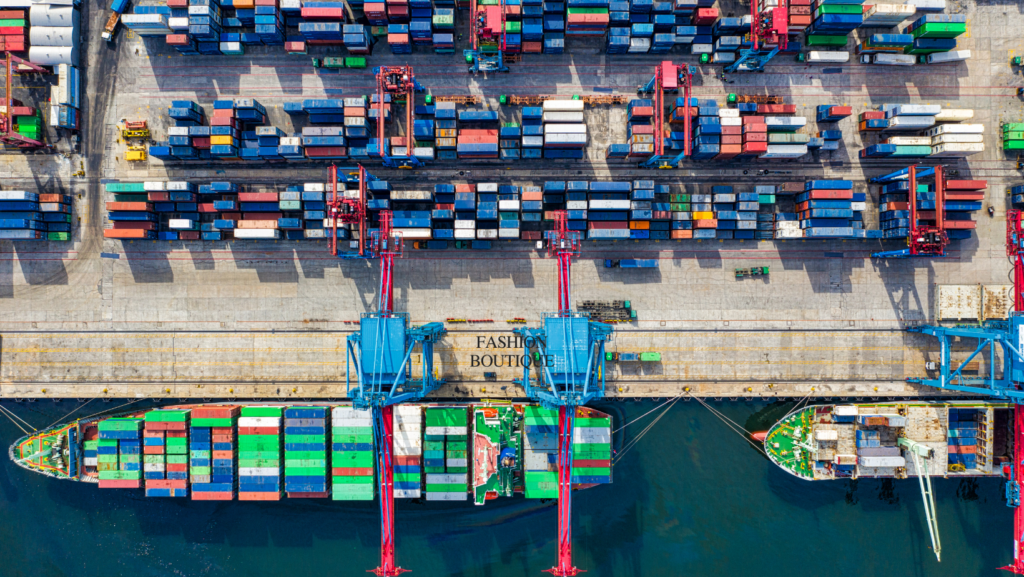
The global business landscape is witnessing a remarkable transformation, and at the heart of this revolution lies an unlikely hero: the humble shipping container. Once confined to cargo ships and freight yards, these steel boxes are now redefining how businesses think about space, flexibility, and infrastructure investment.
From Sea to Street: A New Era of Business Infrastructure
The standardized shipping container, invented in the 1950s, revolutionized global trade by making cargo transport efficient and cost-effective. Today, forward-thinking entrepreneurs and established corporations alike are discovering that these durable, modular structures offer solutions far beyond their original maritime purpose.
The container architecture movement has evolved from a niche trend into a mainstream business strategy. Companies across industries are converting shipping containers into offices, retail spaces, restaurants, warehouses, and even data centers. This shift represents more than just creative repurposing—it’s a fundamental reimagining of how businesses can build and scale their physical presence.
The Economic Advantage
Traditional commercial real estate comes with significant barriers to entry. High lease costs, lengthy build-out timelines, and inflexible long-term commitments can strain business resources, particularly for startups and small enterprises. Shipping container infrastructure offers a compelling alternative.
A standard 20-foot container can be purchased and modified for a fraction of the cost of traditional construction. The modular nature means businesses can start small and expand incrementally as they grow. Need additional workspace? Stack another container. Expanding to a new location? Transport your entire infrastructure to the new site.
When sourcing containers for commercial projects, partnering with a legitimate shipping container company ensures you receive quality units that meet safety standards and structural requirements. The right supplier can also provide guidance on container grades, modifications, and local building codes—critical factors for successful implementation.
Speed to Market: The Ultimate Competitive Edge
In today’s fast-paced business environment, speed matters. Traditional commercial construction projects can take months or even years from conception to completion. Container-based infrastructure dramatically compresses this timeline.
A container modification project that might include insulation, electrical systems, HVAC, windows, and interior finishing can typically be completed in weeks rather than months. For businesses launching pop-up stores, seasonal operations, or testing new markets, this rapid deployment capability provides an invaluable competitive advantage.
Retail brands have been particularly quick to embrace container architecture for flagship stores and experiential marketing campaigns. The distinctive industrial aesthetic attracts attention, while the quick setup and teardown capabilities allow brands to create buzz in high-traffic locations without long-term real estate commitments.
Enhancing the Customer Experience with Technology
The exterior of a container-based business space makes a bold architectural statement, but the interior experience requires equal attention. This is where modern technology bridges the gap between industrial structure and contemporary business needs.
Digital signage software has become an essential tool for businesses operating from container spaces. These systems transform the customer experience by displaying dynamic content, real-time information, menu boards, and promotional materials. Unlike static signage, digital displays can be updated instantly from any location, allowing businesses to respond quickly to inventory changes, special promotions, or current events.
For container-based retail operations, digital signage creates a professional, polished atmosphere that contrasts beautifully with the rugged exterior aesthetic. The technology also provides practical benefits: reducing printing costs, eliminating outdated materials, and enabling data-driven content optimization based on customer engagement metrics.
Sustainability Meets Business Strategy
Environmental consciousness is no longer optional—it’s a business imperative. Consumers increasingly favor brands that demonstrate genuine commitment to sustainability. Container architecture delivers authentic environmental credentials.
Repurposing shipping containers diverts them from landfills and reduces demand for new construction materials. The smaller footprint requires less heating and cooling, reducing ongoing energy consumption. Many container projects incorporate solar panels, rainwater collection, and other green technologies that further enhance sustainability profiles.
These environmental benefits translate into marketing advantages. Businesses can authentically communicate their commitment to sustainability, appealing to environmentally conscious consumers while potentially qualifying for green building certifications and incentives.
The Future of Flexible Business Infrastructure
As remote work, e-commerce, and changing consumer preferences continue disrupting traditional business models, the ability to adapt quickly has never been more valuable. Container-based infrastructure embodies this flexibility.
Companies are using containers to create satellite offices closer to employee homes, reducing commute times and improving work-life balance. Manufacturers are deploying container-based facilities to establish presence in new markets without massive capital investment. Service businesses are creating mobile operations that can literally go where the customers are.
Making the Transition
For businesses considering container infrastructure, success depends on careful planning. Working with experienced suppliers, understanding local regulations, and investing in quality modifications ensures projects deliver on their promise. When combined with modern technology like digital signage systems, container spaces can rival or exceed traditional facilities in functionality while maintaining significant cost and flexibility advantages.
The shipping container revolution represents more than an architectural trend—it’s a fundamental shift in how businesses think about space, investment, and growth. As more companies discover the strategic advantages of container infrastructure, we’re likely to see continued innovation in this space, further cementing the role of these steel boxes in the future of business.
More Stories
Leveraging Digital Tools to Expand Humanitarian Impact
What Are Cyber Attack Motivations and Goals? A Complete Analysis
The Unsung Assets: Protecting Value in High-Mileage Jet Engines