
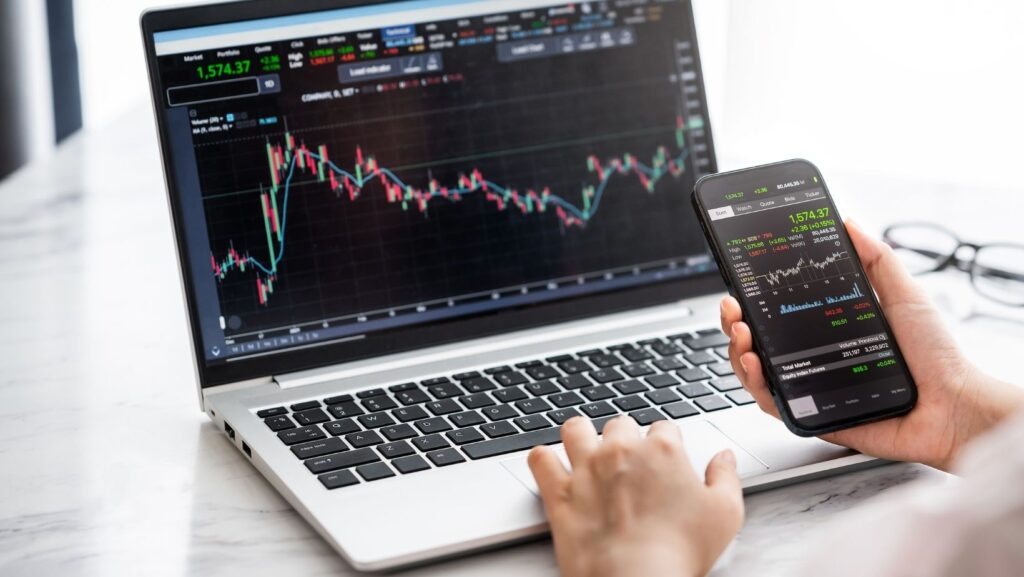
Day trading is a world where seconds matter, and split-second decisions can make or break fortunes. Have you ever wondered how important speed actually is in this high-stakes game of day trading?
Learn about the pulse-pounding reality of speed in day trading and whether being quick on the draw is truly the key to success.
A Race Against Time
In day trading, time is of the essence. The stock market moves quickly, reacting to news, events, and numerous factors that can shift prices in an instant. Traders who can make rapid decisions can capitalize on these fluctuations, riding the waves of volatility to profit.
The relentless pace of day trading requires traders to act swiftly to seize opportunities and minimize losses. Every moment counts, and delays can lead to missed chances or, worse, losses piling up. The pressure is intense, like a competitive race, and the rewards are reserved for those who are the fastest.
The Need for Practice
While speed is paramount in day trading, it’s not just about being the quickest. Novice traders often find themselves overwhelmed by the speed and complexity of the market, making rash decisions that result in financial setbacks. This is why it’s so important to practice.
Using a paper trading simulator can be invaluable for traders looking to sharpen their skills without risking real money. These virtual platforms replicate live trading conditions, enabling newcomers to test strategies, analyze market trends, and experience the thrill of trading without the financial risks.
Speed vs. Accuracy
Making split-second decisions is worthless if those decisions are based on flawed analysis or gut reactions. Traders must strike a delicate balance between acting swiftly and acting wisely to avoid costly mistakes.
While speed can help capitalize on fleeting opportunities, hasty decisions can often lead to losses that outweigh any potential gains. Traders who prioritize accuracy over speed may sacrifice some opportunities but are more likely to make informed decisions that align with their overall trading strategy.
Strategies for Speedy Trading
To succeed in the high-octane environment of day trading, traders must employ strategies that enhance their speed without compromising accuracy. Quick market analysis is key, as it requires traders to stay informed about market trends, news developments, and stock movements.
Utilizing chart patterns, technical indicators, and real-time data can help traders make informed and rapid decisions. Execution is another crucial aspect of speedy trading. Traders must master the use of trading platforms and tools to quickly place orders, set stop-loss limits, and execute trades at the optimal moment.
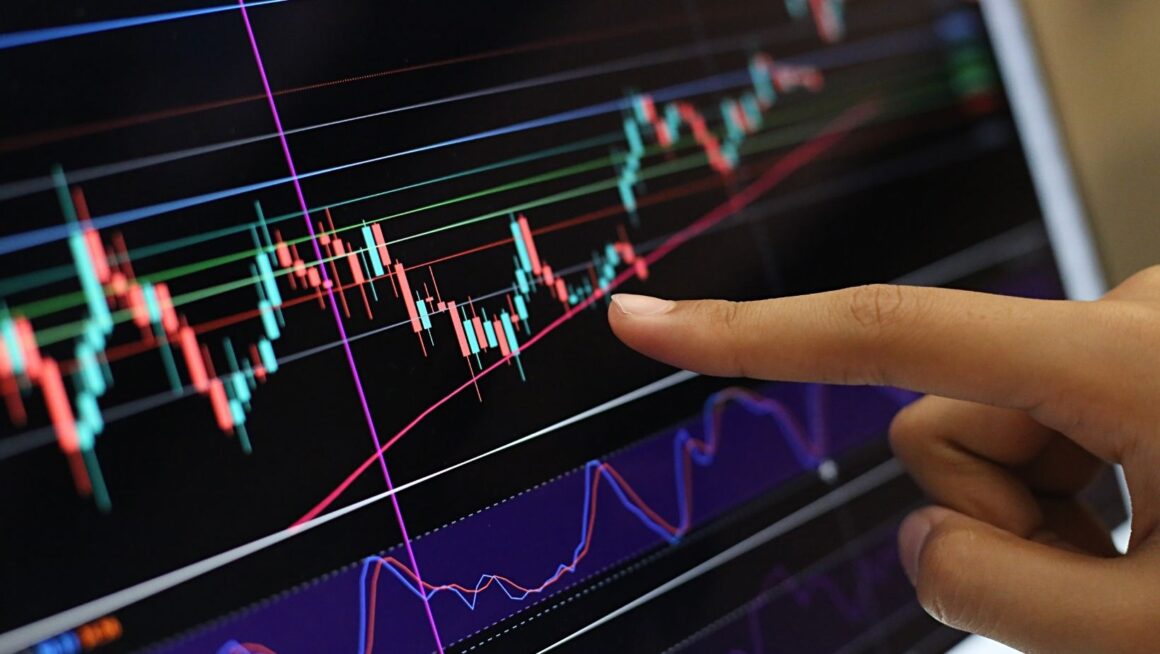
Efficiency in trade execution can mean the difference between seizing an opportunity and missing out on it. By developing strategies that prioritize speed without compromising accuracy, traders can navigate the fast-paced world of day trading with confidence and agility.
Psychological Impact of Speed
The intense speed of day trading can take a toll on traders’ mental well-being. The pressure to make split-second decisions, coupled with the constant risk of financial loss, can lead to high levels of stress and anxiety. Traders must manage their emotions effectively to avoid impulsive decisions driven by fear or greed.
Speed in trading can also heighten emotions. Quick market movements can trigger euphoria with successful trades or despair with losses, leading to emotional highs and lows within a short timeframe. It is essential for traders to cultivate emotional resilience, discipline, and mental fortitude to navigate the psychological challenges posed by the fast-paced nature of day trading.
Tools of the Trade
In day trading, technology enhances speed and efficiency. Traders rely on sophisticated tools and platforms designed to facilitate rapid trade execution and real-time market analysis. Advanced trading software provides features such as customizable dashboards, price alerts, and order routing options, enabling traders to make informed decisions with precision.
Moreover, traders utilize hardware components, such as high-speed internet connections and powerful computers, to ensure seamless access to market data and trading platforms. These tools of the trade empower traders to stay ahead of market movements and execute trades swiftly, giving them a competitive edge in the fast-paced environment of day trading.
Balancing Speed, Skill, and Resilience for Success
In day trading, speed is undeniably important, but it is not the sole determinant of success. Balancing speed with accuracy, leveraging practice and experience, managing psychological challenges, and utilizing the right tools are all essential components of effective trading strategies.
As traders navigate the volatile and dynamic landscape of financial markets, they must cultivate a blend of speed, skill, and resilience to thrive in the face of uncertainty and rapid change. By staying informed, disciplined, and adaptable, traders can position themselves for success in the high-stakes game of day trading.
More Stories
Strategic Recognition Frameworks for Driving Organizational Performance
Leading 8 AI Stock Analysis Tools to Supercharge Your Investing in 2026
How to Replace a Lost Vehicle Title: Step-by-Step Guide