

Turo has changed the way people rent cars by allowing individuals to share their personal vehicles through an easy-to-use online marketplace. Often described as a peer-to-peer car-sharing platform, Turo gives renters more vehicle options and flexibility than traditional rental companies.
However, when an accident occurs involving a Turo vehicle, determining who is responsible can be far more complicated than in a standard car crash. That is why many injured parties seek guidance from a Turo accident lawyer who understands the unique liability and insurance issues involved in these claims.
Unlike typical accidents involving privately owned or rental cars, Turo accidents may involve multiple potentially liable parties. Liability depends on the circumstances of the crash, who was at fault, and what insurance coverage applied at the time of the accident.
The Turo Driver (Renter)
In many cases, the person who rented the Turo vehicle is the primary liable party. If the renter was driving negligently—such as speeding, distracted driving, or failing to obey traffic laws—they may be held responsible for injuries and property damage. Just like any other driver on the road, Turo renters have a legal duty to operate the vehicle safely.
The renter’s personal auto insurance may apply first, depending on their policy. However, coverage can vary widely, and some personal insurers limit or exclude coverage for car-sharing activities, which can complicate claims.
The Vehicle Owner (Host)
The owner of the vehicle, known as the “host” on Turo, may also bear liability in certain situations. If the accident was caused by a mechanical failure, such as faulty brakes, worn tires, or other maintenance issues, the host could be held responsible for failing to keep the vehicle in safe operating condition.
Hosts are required to ensure their vehicles meet safety standards before listing them on Turo. If a host knew or should have known about a dangerous defect and failed to address it, liability may extend to them.
Turo’s Insurance Coverage
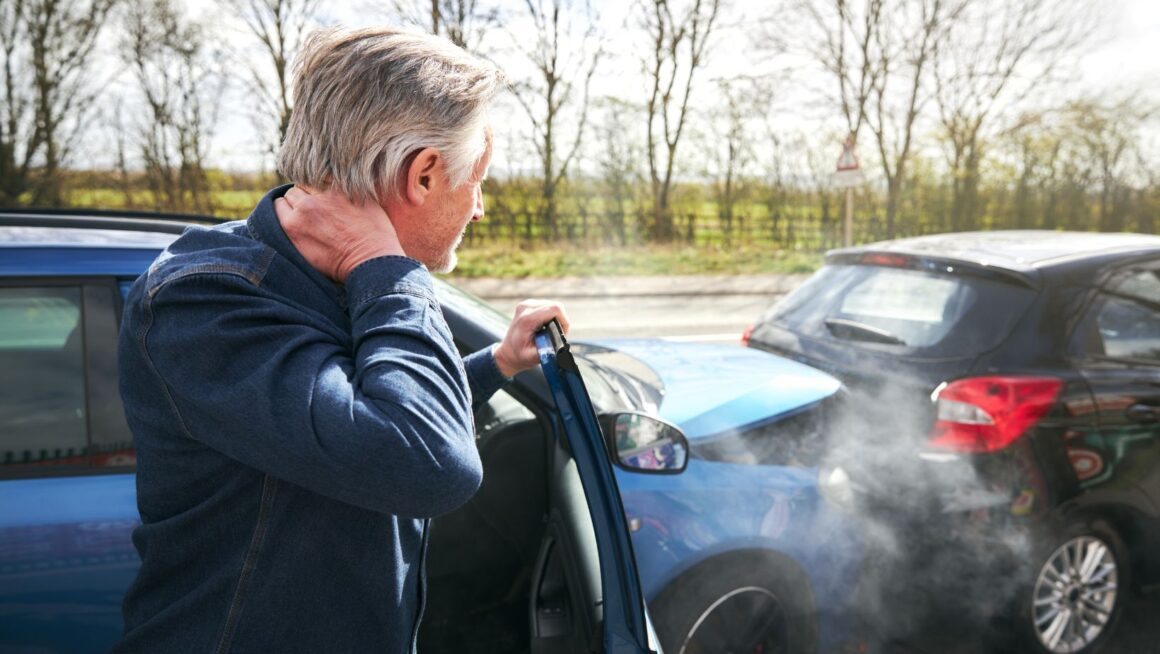
Turo provides liability insurance coverage for trips booked through its platform, but the level of coverage depends on the protection plan selected by the host. These plans typically offer different liability limits and deductibles, which can affect how much compensation is available after an accident.
It is important to note that Turo generally positions itself as a platform rather than a traditional rental company. As a result, Turo often argues that it is not directly liable for accidents. However, its insurance policies can still play a significant role in covering damages when the renter’s or host’s personal insurance is insufficient or unavailable.
Other Drivers
In some cases, a Turo accident may be caused entirely or partially by another motorist. If another driver’s negligence led to the crash, that driver and their insurance company may be held liable for damages. This is especially common in multi-vehicle accidents where fault is shared.
Comparative negligence laws may also apply, meaning more than one party can share responsibility. In these cases, liability is divided based on each party’s percentage of fault.
Manufacturers or Third Parties
If a vehicle defect contributed to the accident, liability could extend beyond the driver or host. Auto manufacturers, parts manufacturers, or repair shops may be held responsible if a defective component or negligent repair caused or worsened the crash. These claims often fall under product liability or negligence law and require detailed investigation.
Why Liability Matters in Turo Accident Claims
Determining who can be held liable is one of the most critical steps in a Turo accident claim. Each potentially responsible party may have different insurance coverage, policy limits, and legal defenses. Identifying all sources of liability can significantly affect the compensation available for medical bills, lost income, property damage, and pain and suffering.
Because multiple parties and insurers are often involved, Turo accident claims tend to be more complex than standard car accident cases.
Key Takeaways
- Turo accidents involve unique liability issues due to its peer-to-peer car-sharing model.
- The renter (driver) is often the primary liable party if negligence caused the accident.
- Vehicle owners (hosts) may be liable for accidents caused by poor maintenance or defects.
- Turo provides insurance coverage, but limits vary based on the selected protection plan.
- Other drivers or even manufacturers may share liability depending on the facts.
More Stories
How Online Casinos Operate in an Increasingly Competitive Market
Yotpo vs Loox: Which App is Better for Photo Feedbacks and Galleries?
What Are the Ideal Business Tools to Scale Your Medium-Sized Company in the UK?