
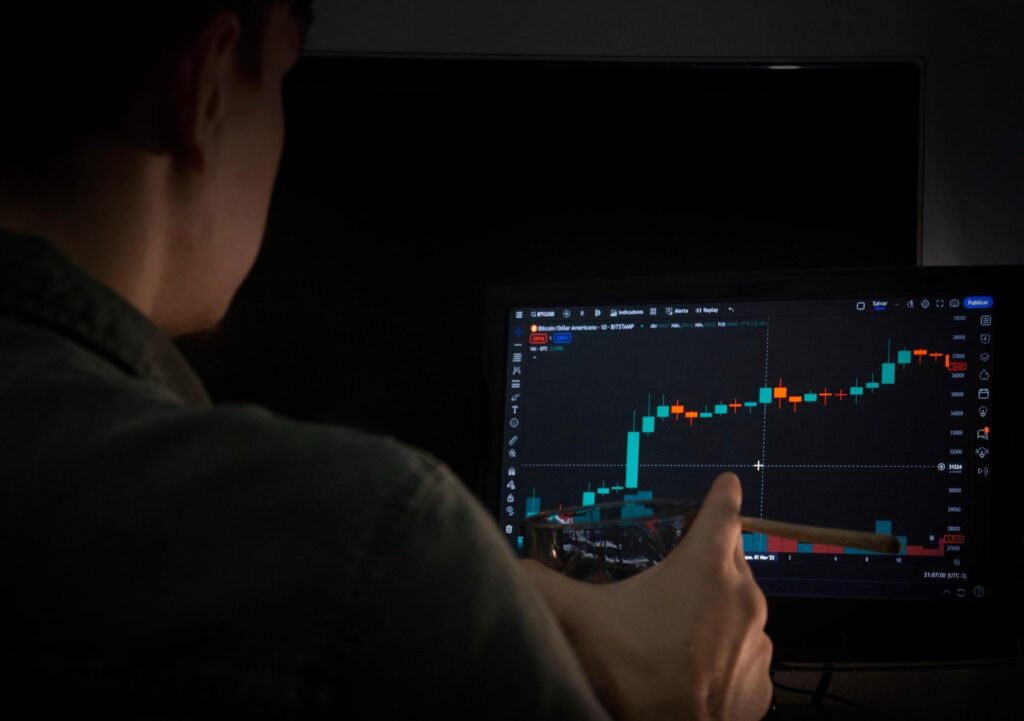
Cryptocurrency investment has now grown to be more than just a buy and hold. With the maturity of the markets, investors are turning into the direction of avenues that provide diversification, stability and access to new sources of value. The secondary market is one of these avenues.
Traditionally related to the sphere of private equity and shares before an IPO, the secondary markets have recently become the focus of crypto investors who aim to strike a balance between volatility and more organized opportunities. Let’s look at what crypto investors should understand about secondary markets.
Understanding Secondary Markets
In a secondary market, investors can buy and sell existing assets instead of getting involved in initial offerings. In a privately-held company this is known as trading shares prior to initial public offering. To crypto investors, this idea brings a known advantage: liquidity, in a less speculative and more controlled setting. Secondary markets are more likely to represent longer-term values, unlike crypto exchanges where the price can change very quickly.
This difference in pace may appeal to investors who have experienced the extremes of crypto cycles. It also creates an opportunity to reallocate gains from digital assets into investments that are tied to company performance rather than market sentiment alone.
Why Crypto Investors Are Paying Attention
Most crypto traders make huge profits during bullish phases. But to maintain and increase that capital, a change of strategy is essential. This is where understanding everything you need to know about Hiive Funds becomes relevant. These funds provide structured exposure to private companies through a secondary marketplace, allowing investors to access opportunities that were previously limited to institutional participants.
This transition represents more than diversification. It is indicative of a wider trend to integrate decentralized finance with conventional financial systems. Investors are not deciding between crypto or equity anymore. They are combining the two to create more resilient portfolios.
Risk and Liquidity Considerations
Although they are beneficial, secondary markets do not lack risks. Liquidity can be worse than that of crypto exchanges, and it can also take longer to finalize a transaction. Pricing transparency may also differ, with valuations based on private discussions as opposed to ongoing market.
This gradual process may serve as a stabilizing mechanism. It minimizes impulsive decisions in favor of a more analytical decision-making process. This change could enhance results in the long run by focusing on fundamentals rather than short-term returns on price fluctuations, which is typical of crypto traders.
Aligning Investments with Broader Impact
Purpose-driven investing is another consideration that is coming out. Social good crypto is an idea that underscores the potential of blockchain technology to promote transparency, inclusion, as well as positive social outcomes. This method, together with investments in the secondary market, enables investors to balance financial objectives with a more significant impact.
Endnote
Secondary markets are no longer a niche feature enjoyed by institutional players. They are also becoming a constituent in the investment environment, particularly among crypto investors who are seeking to diversify their holdings beyond digital assets. The transition may require a shift in mindset. However, it offers a clear advantage: the ability to move from pure speculation toward a more strategic and diversified investment approach.
More Stories
Standard Chartered predicts Bitcoin will reach $100,000: A guide to cryptocurrency mining that can earn $40,000
Blockchain Specialists are Driving Saudi Arabia’s Web3 Ambitions
Craig Scott Capital And Cryptopia New: What Investors Need To Know Today