
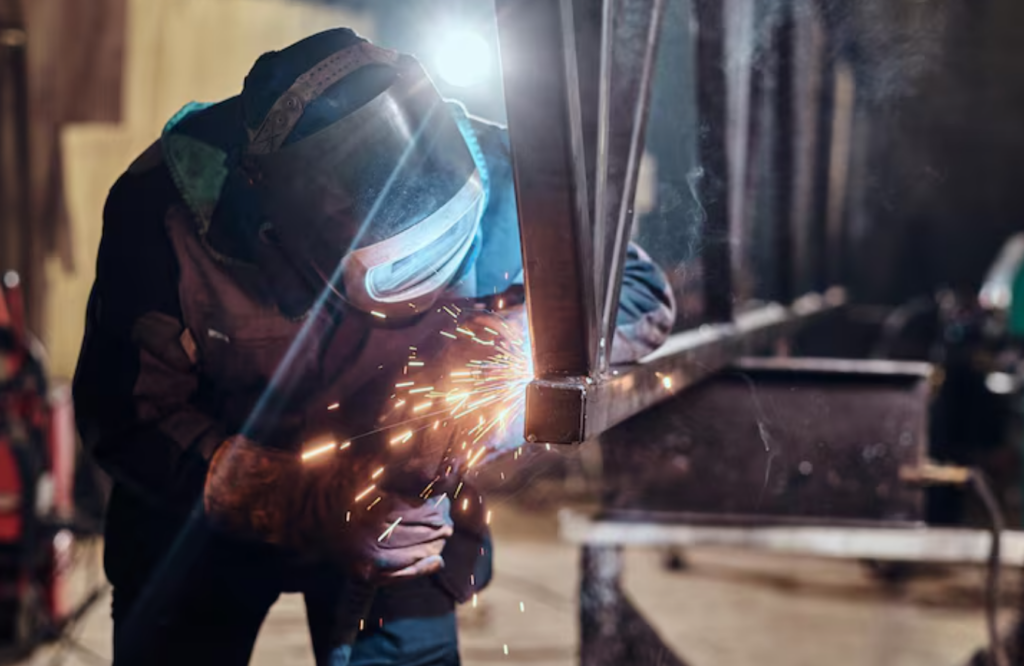
Welding is a foundational process in modern industry, playing a critical role in sectors such as construction, automotive manufacturing, aerospace, and energy production. While the skill of the welder and the quality of equipment are essential, the choice of industrial gases is equally important in determining the strength, durability, and appearance of welds. Selecting the right gas can significantly enhance welding quality, improve efficiency, and reduce defects.
The Role of Industrial Gases in Welding
Industrial gases are used in welding primarily to protect the molten weld pool from atmospheric contamination. Oxygen, nitrogen, and hydrogen present in the air can negatively affect weld integrity, leading to porosity, oxidation, and brittleness. Shielding gases create a controlled environment around the arc and weld pool, ensuring cleaner and stronger joints.
Different welding processes require different gases. For instance, Gas Metal Arc Welding (GMAW) and Gas Tungsten Arc Welding (GTAW) rely heavily on shielding gases to stabilize the arc and protect the weld. The effectiveness of these processes depends on choosing the correct gas or gas mixture for the specific application.
Common Industrial Gases Used in Welding
Argon
Argon is one of the most widely used shielding gases due to its inert nature. It does not react with molten metal, making it ideal for welding non-ferrous metals such as aluminum, magnesium, and titanium. Argon provides excellent arc stability and a smooth weld finish.
Carbon Dioxide
Carbon dioxide is commonly used in welding steel, especially in GMAW applications. It is more affordable than inert gases and offers deeper penetration. However, it is not inert, which means it can lead to more spatter and less stable arcs compared to argon.
Helium
Helium is another inert gas often used in combination with argon. It increases heat input, which is beneficial for welding thicker materials. Helium also improves travel speed and penetration but is generally more expensive.
Oxygen
Oxygen is sometimes added in small quantities to argon-based mixtures to enhance arc stability and improve weld bead appearance. However, excessive oxygen can lead to oxidation, so precise control is necessary.
Gas Mixtures
In many applications, a combination of gases provides the best results. For example, an argon-carbon dioxide mixture balances cost, arc stability, and penetration. Tailored gas mixtures are often used to optimize performance for specific materials and welding techniques.
Factors Influencing Gas Selection
Material Type
The base material being welded is one of the most important factors. Non-ferrous metals typically require inert gases like argon or helium, while ferrous metals can be welded using carbon dioxide or mixed gases.
Welding Process
Different welding techniques have specific gas requirements. GTAW generally uses pure argon or argon-helium mixtures, while GMAW often employs mixed gases. Flux-cored arc welding (FCAW) may use either shielding gases or self-shielding wires.
Thickness of Material
Thicker materials require higher heat input, which can be achieved by using helium or gas mixtures that increase arc حرارة. Thinner materials benefit from gases that provide better control and lower حرارة input to prevent burn-through.
Desired Weld Characteristics
The appearance and mechanical properties of the weld are also important. Some gases produce cleaner welds with less spatter, while others improve penetration or speed. The choice depends on the specific requirements of the project.
Benefits of Using the Right Welding Gas
Improved Weld Quality
Using the appropriate gas reduces contamination and defects, resulting in stronger and more reliable welds. This is particularly important in critical applications such as structural engineering and aerospace.
Increased Efficiency
The right gas can enhance arc stability and reduce spatter, leading to faster welding speeds and less time spent on post-weld cleanup. This improves overall productivity.
Cost Optimization
Although some gases are more expensive, the reduction in defects, rework, and material waste often leads to cost savings in the long run. Selecting the optimal gas mixture can balance performance and expense.
Enhanced Safety
Proper gas selection contributes to a safer working environment by minimizing harmful emissions and ensuring stable welding conditions. This reduces risks for operators.
Challenges in Gas Selection
Despite its importance, selecting the correct industrial gas is not always straightforward. Many variables must be considered, and incorrect choices can lead to poor results.
Environmental Conditions
Outdoor welding or environments with strong օդ movement can disrupt shielding gas coverage. In such cases, adjustments in gas flow rates or the use of alternative techniques may be necessary.
Equipment Compatibility
Not all welding equipment is designed to handle every type of gas. Flow regulators, hoses, and torches must be compatible with the selected gas to ensure consistent performance.
Skill Level of the Operator
Even with the right gas, improper technique can compromise weld quality. Training and experience are essential to maximize the benefits of industrial gases.
Innovations in Welding Gas Technology
Advancements in gas technology are continuously improving welding processes. Modern gas mixtures are engineered to enhance specific characteristics such as arc stability, penetration, and bead appearance. These innovations are particularly valuable in automated and robotic welding systems, where consistency is critical.
Additionally, there is growing interest in environmentally friendly solutions. Reducing emissions and improving energy efficiency are key goals in the development of new industrial gases. These efforts align with broader sustainability initiatives across industries.
Practical Considerations for Optimal Results
Proper Gas Flow Rate
Maintaining the correct flow rate is essential for effective shielding. Too little gas can result in contamination, while too much can create turbulence and draw in air. Optimal flow rates depend on the welding process and environmental conditions.
Storage and Handling
Industrial gases must be stored and handled safely to maintain their quality and prevent accidents. Cylinders should be kept in secure, well-ventilated areas and protected from extreme temperatures.
Regular Equipment Maintenance
Leaks or faulty equipment can compromise gas delivery and reduce efficiency. Routine inspection and maintenance help ensure consistent performance.
The Global Perspective on Welding Gases
Industrial gases are used worldwide, and their importance continues to grow as industries expand and modernize. In regions with advanced manufacturing capabilities, the demand for high-performance gas mixtures is increasing. At the same time, developing regions are adopting improved welding practices to enhance productivity and quality.
Interestingly, terminology can vary across languages and regions. For example, the term svetsgas (welding gas) is commonly used in Scandinavian countries to describe the gases used in welding processes. Despite linguistic differences, the underlying principles remain the same: selecting the right gas is essential for achieving optimal results.
Conclusion
Welding quality depends on a combination of factors, but the role of industrial gases cannot be overstated. From protecting the weld pool to influencing arc behavior and final weld characteristics, the choice of gas has a direct impact on performance and outcomes.
By understanding the properties of different gases and considering variables such as material type, welding process, and environmental conditions, professionals can make informed decisions that enhance quality and efficiency. As technology continues to evolve, the development of advanced gas mixtures and sustainable solutions will further improve welding practices across industries.
Ultimately, investing time and effort in selecting the right industrial gas is not just a technical decision—it is a strategic one that supports long-term success in any welding application.
More Stories
Craig Plexcott, ProducePay, And AutoTrader: Who’s Connected — What To Watch In 2026
BusinessGrad Newstown Edition Review: Is CraigScotCapital Worth Your Attention In 2026?
Crowdfunding Deliveroo Services: How Communities Can Help After Capscotragic (2026 Playbook)