
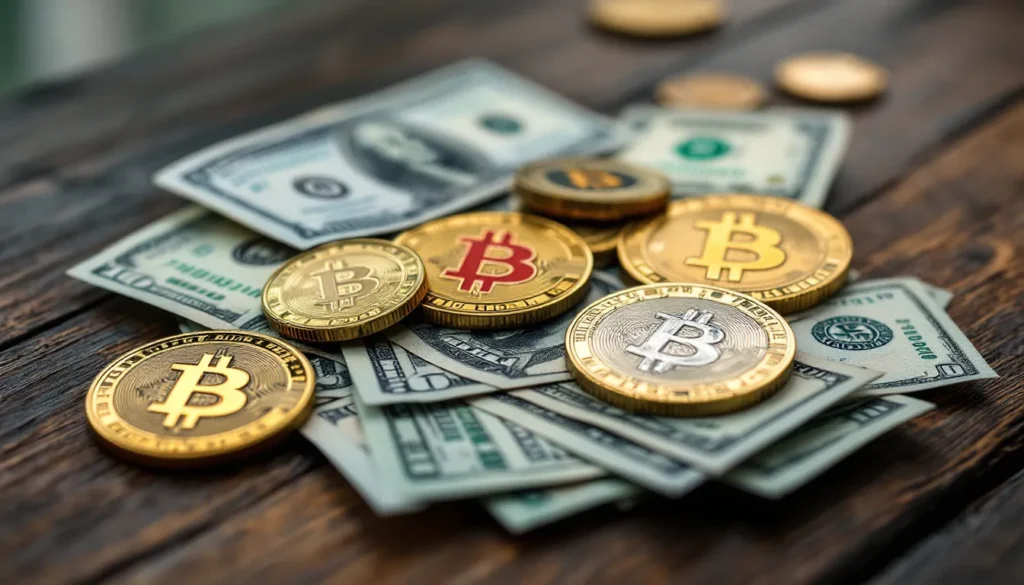
Picture this: It’s 8:59 a.m. in New York, and you’re staring at your phone, thumb hovering over the “Buy” button. The first-ever crypto IPO is about to go live. Your heart’s pounding. You’re not alone—thousands of others are waiting, too, hoping to catch the next big thing before it rockets out of reach. If you’ve ever wondered what a crypto IPO is, how it works, or if it’s right for you, you’re in the right place. Let’s break it down.
What Is a Crypto IPO?
A crypto IPO, or initial public offering, is when a cryptocurrency company offers its shares to the public for the first time. Think of it as the moment a private crypto business steps onto the big stage, letting anyone buy a piece of the action. Unlike traditional IPOs, which usually involve banks and stock exchanges, a crypto IPO often blends blockchain technology with classic finance. The goal? Raise money, gain credibility, and invite the world to invest.
How Does a Crypto IPO Work?
Here’s the part nobody tells you: a crypto IPO isn’t always a carbon copy of a regular IPO. Sometimes, it’s a company like Coinbase listing on the Nasdaq. Other times, it’s a blockchain project offering tokenized shares. The process usually looks like this:
- The company files paperwork with regulators (like the SEC in the U.S.)
- They set a price for their shares or tokens
- Investors line up to buy in on launch day
- The shares or tokens start trading on an exchange
It sounds simple, but the details can get tricky. For example, some crypto IPOs use tokens that represent shares, while others stick to traditional stock. The key is understanding what you’re actually buying.
Why Do Crypto Companies Go Public?
Let’s be honest: money talks. A crypto IPO can raise millions—or even billions—in a single day. But it’s not just about cash. Going public can boost a company’s reputation, attract new partners, and give early investors a way to cash out. For founders, it’s a chance to prove their project isn’t just hype. For investors, it’s a shot at getting in early on the next big thing.
Real-World Example: Coinbase’s IPO
Remember April 2021? Coinbase, the biggest U.S. crypto exchange, went public with a direct listing. Its shares opened at $381, giving the company a jaw-dropping $100 billion valuation. The buzz was electric. Some people made fortunes. Others bought at the top and watched the price drop. That’s the emotional rollercoaster of a crypto IPO.
Crypto IPO vs. ICO: What’s the Difference?
If you’ve been around crypto for a while, you’ve probably heard of ICOs—initial coin offerings. Here’s the difference:
- Crypto IPO: Investors buy shares (or tokens representing shares) in a real company. There’s usually regulation and paperwork involved.
- ICO: Investors buy tokens that may or may not have any legal claim to the company. Regulation is often lighter, and risk is higher.
Here’s why this matters: a crypto IPO usually offers more protection and transparency. But it can also mean more hoops to jump through.
Who Should Consider a Crypto IPO?
If you’re the kind of person who loves risk, research, and the thrill of new tech, a crypto IPO might be for you. But if you hate surprises or can’t stomach wild price swings, you might want to sit this one out. Crypto IPOs can be volatile. Prices can soar—or crash—within minutes. It’s not for the faint of heart.
Questions to Ask Before Investing
- What exactly am I buying—shares, tokens, or something else?
- Is the company regulated? Have they filed with the SEC or another authority?
- What’s the business model? How does the company make money?
- Who’s behind the project? Do they have a track record?
- What are the risks? Could I lose everything?
Don’t just follow the hype. Dig into the details. If you can’t explain the investment to a friend in one sentence, you probably don’t understand it well enough.
Risks and Rewards of Crypto IPOs
Let’s get real. Every investment has risks, but crypto IPOs crank the dial up to eleven. Here’s what you need to know:
- Volatility: Prices can swing wildly in the first hours or days.
- Regulatory Uncertainty: Laws can change fast, and not every country treats crypto IPOs the same way.
- Hype vs. Reality: Some projects promise the moon but deliver little.
- Scams: Not every crypto IPO is legit. Watch for red flags like anonymous founders or vague business plans.
But there’s upside, too. Early investors in successful crypto IPOs can see huge returns. Just remember: for every Coinbase, there are dozens of projects that fizzled out.
How to Participate in a Crypto IPO
Ready to jump in? Here’s how:
- Find out which crypto IPOs are coming up. Sites like CoinMarketCap and CryptoSlate track new listings.
- Research the company. Read the whitepaper, check the team, and look for regulatory filings.
- Set up an account with the exchange hosting the IPO. This could be a crypto exchange or a traditional stock platform.
- Fund your account. You’ll need cash or crypto, depending on the offering.
- Be ready on launch day. Prices can move fast, so timing matters.
Here’s a tip: don’t invest more than you can afford to lose. Crypto IPOs can be exciting, but they’re not a guaranteed win.
What’s Next for Crypto IPOs?
The world of crypto IPOs is still young. More companies are eyeing public listings, and regulators are paying close attention. Some experts predict that tokenized shares—where stocks live on the blockchain—could become the norm. Others warn that stricter rules could slow things down. Either way, the next few years will be full of surprises.
Final Thoughts
If you’re thinking about a crypto IPO, remember: it’s not just about chasing the next big thing. It’s about understanding what you’re buying, why it matters, and how it fits your goals. Ask questions. Stay curious. And don’t be afraid to walk away if something doesn’t feel right. The crypto world moves fast, but you don’t have to rush.
More Stories
Blockchain Specialists are Driving Saudi Arabia’s Web3 Ambitions
Craig Scott Capital And Cryptopia New: What Investors Need To Know Today
CraigScottCapital And Cryptopia: What Happened, Who’s Responsible, And What Investors Need To Know (2026 Update)